Fields and Farm
As teaching and research extends into fields and farms associated with NC State, addressing safety and health needs often requires a blend of traditional and innovative approaches.
Outdoor Laboratories
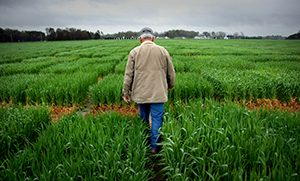
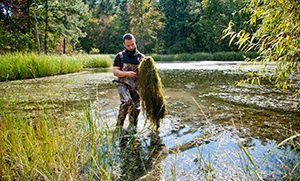
Research stations, field labs, and farms are key areas for research at NC State. Protect yourself in the outdoor laboratory environment (pdf). Manage heat stress (pdf) and reduce developing heat-related illnesses.
EHS Inspections
Environmental Health and Safety conducts inspections, in accordance with various regulatory and compliance obligations. Inspections include chemical/laboratory, hazardous waste, fire/life safety, equipment, biological and radiological reviews, each with varying frequency. These inspections help identify safety and health concerns, demonstrate compliance with regulatory requirements and promotion of safe work practices. Ultimate responsibility for complying with the reasonable health and safety requirements rests with each principal investigator.
Accidents and Emergency Information
In the event of accidents, seek immediate medical assistance and report the accident, injury or illness. Review emergency information and stay tuned in the event of emergency situations with WolfAlert communications.
The Spill Prevention, Control, and Countermeasure (SPCC) regulations set forth the requirements for the prevention of, preparedness for, and the response to oil discharges at certain non-transportation related facilities.
Health and Safety Assessment Questions
Does your facility have proper access and security precautions?
Personal Protective Equipment
Assess your personal protective equipment before working. PPE options, including dust masks, respirators, closed-toe shoes, must be appropriate for different agricultural activities, from working with farm equipment to application of various chemicals.
Electrical Safety
Electrical Safety programs provide guidance to reduce and/or eliminate risks associated with the use of electrical energy. It identifies specific safety precautions to be adhered to and protective equipment to be used by personnel using, installing, constructing, repairing, inspecting, or maintaining electrical equipment.
Hoist and Cranes
The hoist and crane safety program (pdf) provides guidance for use and inspections of cranes and hoists, used for lifting or lowering a load.
Motorized Equipment
Let’s Talk Safety (pdf) fact sheet discusses Telehandler Personnel lifts. Powered Industrial Truck (Forklifts, Lift Trucks) (pdf) discusses equipment operations and safety Industrial Hoisting Equipment FAQs (pdf) is a source of information
Machine Guarding
One of the major goals of OSHA is to guard all machinery and equipment to eliminate hazards created by points of operation, ingoing nip points, rotating points, and flying chips and sparks.
Power Tools
Machinery such as tractors, forklifts (pdf) and power tools poses the greatest injury risk on the farm. It is important to be safety-conscious when dealing with any job that requires the use of machinery, using all machine guards and safety interlocks.
Hearing Conservation
Work areas or job tasks where significant noise exposure exists should be monitored for hearing conservation and workers have proper hearing protection equipment.
Animal Contact
Work with animals? Review animal contact (pdf) information, animal contact monitoring programs (pdf) and minimize risks from animal contact (pdf).
Waste Management Practices
For generators of hazardous waste, proper management is needed. Submission for waste pickup follows a set schedule (pdf), once a request is submitted via EHSA.
Pest Management
Control different pests proactively.