Education and Public Participation
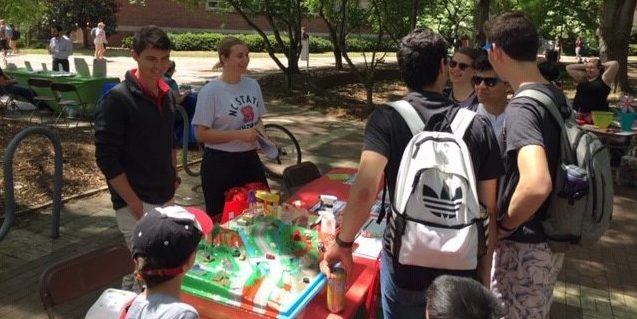
The goal of this program is to inform the campus population of local water quality issues and actions needed to minimize pollutants in stormwater runoff. Additionally, the program also ensures that students and stakeholders alike have an opportunity to participate in developing and implementing the University’s Stormwater Management Program.
Illicit Discharges
An illicit discharge is anything that is not pure rainwater that can enter our storm drains and waterways, where it can be detrimental to humans and the environment. Stormwater is a major pathway for pollutants to enter the environment.
Most common illicit discharges and vulnerable areas for a campus community include the following:
- Bare/denuded soils
- Stockpiles of sediment, soil conditioner, grass clippings, tree limbs, Fertilizer and pesticide use and storage
- Paints, chemicals
- Oil/grease
- Dumpster leachate
- Equipment wash water
- Laundry or dishwater
- Chlorinated pool water
- Temperature differences greater than 5° F
- Broken or failing pipe infrastructure
- Disturbed soils from construction activity
As a community, we can help prevent illicit discharges by being mindful of what items are being stored outside and reporting anything suspicious.
We can guard against fine sediments, chemicals, oils, grease, etc. from being left where stormwater can carry them into inlets or waterways. Fertilizers and pesticides should be stored inside locked, sheltered cabinets or storage sheds. Dumpsters, cigarette disposals, portable toilets, and other materials should be covered and at least 50 feet away from inlets.
Call 9195151511 to report an illicit discharge or outdoor spill on campus, even if the source has already been addressed.
Target Pollutants
- Litter
- Nutrients
- Sediment
- Oil & Grease
- Illicit Discharges
- Illegal Dumping
- Improper Disposal of Waste
Training
General stormwater awareness and illicit discharge training is offered by the university and is available in an electronic format through our REPORTER Training system. More specialized training is offered upon hire for all staff as a part of the New Employee Orientation and at regular intervals, depending on the hired position.
Storm Management Advisory Committee (SMAC)
Campus Events
Students can get involved by participating in one or more of the environmental groups on campus such as: Sustainability Stewards, Environmental Student Association, or Zero Waste Wolves. Facility Services donates gloves, bags, etc. for student group clean-up activities.
If you are hosting any outreach or clean-up events, please let us know so we can feature you in our annual stormwater report: [email protected]